Collecting Cleaned Coins: A Controversial but Personal Choice

COIN CONDITION & CLEANING
Home / Philippine Numismatics Collectors Hub / Authentication & Counterfeits / Collecting Cleaned Coins

Coin cleaning is one of the most debated topics in numismatics. Many collectors strongly discourage cleaning because it can permanently alter a coin’s surface and reduce its value.
However, the subject is more nuanced than many beginners realize.
Why Cleaning Is Discouraged
Cleaning often removes the natural surface of a coin.
Common effects include:
Loss of original luster
Unnatural brightness
Fine hairline scratches
Reduced collector value
Professional grading services frequently label such coins as “Cleaned,” which can significantly lower their market price.

Collector Tip: Depending on the severity of the cleaning, a cleaned coin may sell for significantly less than an equivalent coin with original surfaces.
Natural Toning vs Artificial Cleaning
Over time, coins naturally develop toning due to chemical reactions with their environment. Natural toning can produce attractive colors and may enhance a coin’s appeal.
Cleaning, however, removes this natural patina and often replaces it with an unnatural appearance.

Common Methods of Coin Cleaning
Coins may be cleaned using various methods, including:
Polishing with cloth or abrasives
Chemical dips
Brushing or rubbing the surface
These methods remove surface oxidation and dirt but also strip away the coin’s original surface, often leaving fine scratches known as hairlines.
Collector Tip: In general, collectors recommend avoiding any attempt to clean coins. Even gentle cleaning can damage the surface and reduce value. When in doubt, it is best to leave the coin in its original condition.
How Grading Services Evaluate Cleaned Coins
Professional grading services such as PCGS and NGC generally identify cleaned coins as “Details” coins rather than assigning a numerical grade.
These coins are encapsulated with labels indicating the coin has been cleaned, which typically lowers its market value compared with an unaltered example.

Why Some Collectors Still Buy Cleaned Coins
Despite the stigma, cleaned coins still appear in many collections.
Reasons include:
Affordability compared with problem-free examples
Historical interest of rare coins
Accessibility for beginners
In some cases, a cleaned coin may appear more visually appealing than an uncleaned coin, particularly when the original coin had dark toning or surface discoloration.
Some collectors prefer owning a cleaned example of a rare coin rather than not owning the coin at all.

When Collectors May Still Buy Cleaned Coins
Some collectors choose to purchase cleaned coins under certain circumstances, such as:
When the coin is extremely rare
When the cleaning is minimal or difficult to detect
When the coin serves as an affordable example for a collection
Ultimately, the decision depends on the collector’s goals and tolerance for condition issues.

How to Recognize a Cleaned Coin
Common signs of a cleaned coin include:
Unnatural brightness
Fine parallel hairline scratches
Dull or washed-out surfaces
Uneven toning
Color changes caused by chemical cleaning
Collectors should also examine the edges of inscriptions and raised design elements. These areas are more difficult to clean and may still retain traces of original toning, color, or dirt from before the cleaning occurred.
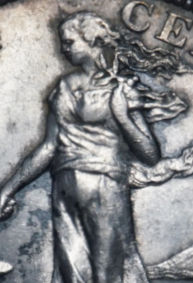
Collector Tip: Beginners should study coin surfaces and compare examples from auction archives or grading service databases to better understand how cleaned coins differ from original surfaces.
Cleaning vs Conservation
It is important to distinguish between coin cleaning and professional conservation. Cleaning typically involves abrasive or chemical methods that permanently alter the coin’s surface.
Conservation, on the other hand, is a controlled process performed by professionals to remove harmful contaminants without damaging the original surfaces.

Considerations for Collectors
Before buying a cleaned coin, collectors should consider:
How severely the coin was cleaned
Whether the cleaning is visible
The rarity of the coin
Their personal collecting goals
Understanding these factors allows collectors to make informed decisions.
Conclusion
Although cleaning is generally discouraged in numismatics, cleaned coins remain common in the marketplace.
For many collectors, the most important factor is knowledge—understanding how cleaning affects value and deciding whether a particular coin still holds personal or historical significance.
Continue Your Philippine Numismatics Journey


Comments