MYKOYNS
Philippine Numismatics
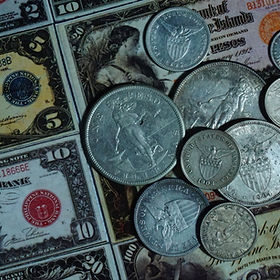
PHILIPPINE CURRENCy TIMELINE
U.S.–Philippine Currency (1903–1946)
Explore how American rule introduced a standardized Philippine monetary system, from the Coinage Act of 1903 to the coins and banknotes that shaped everyday commerce through the Commonwealth era.
“From diverse foreign coins to a unified peso system—discover how American rule transformed Philippine currency.”
Key Developments at a Glance
A simplified overview of key changes that shaped Philippine currency during the American period.
-
Monetary Reform (1903): Created a standardized peso system aligned with U.S. policy.
-
U.S.–Philippine Coinage: New peso and centavo coins were issued specifically for circulation.
-
Government-Issued Banknotes: Silver certificates, treasury certificates, and other notes.
-
Long-Term Influence: This period laid the foundation for the modern Philippine monetary structure.
Why This Matters for Collectors
Understanding U.S.–Philippine currency helps collectors identify standardized coin types, track design transitions, and recognize how a modern colonial monetary system replaced the mixed circulation of earlier periods.
Collector Insight
U.S.–Philippine coins are among the most collectible colonial issues in both the Philippines and the United States, while many banknotes are considered scarce to rare.
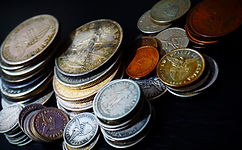
yaman ng pilipinas
Explore U.S.-Philippine Coins and Banknotes
Discover the coinage and banknotes issued during the American period.

Explore the peso and centavo series introduced for the Philippines during the American colonial period, including the iconic standing figures and later Commonwealth issues (1903-1946).

Learn about silver certificates, treasury certificates, Philippine National Bank notes, and other paper money used in the Philippines between 1903 and World War II(1903-1944).